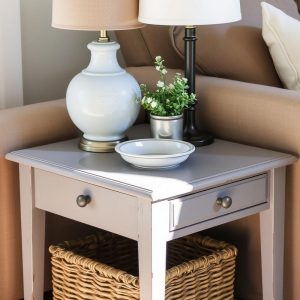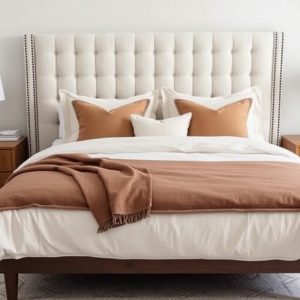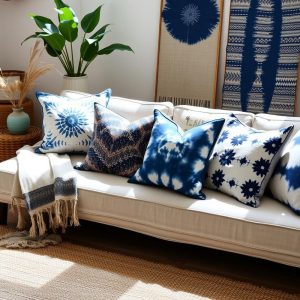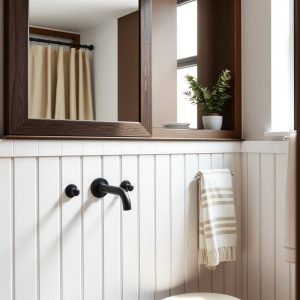
Use smart, beautiful updates that don’t need a contractor or your landlord’s approval to make the most of a small space. These do-it-yourself projects are all about making things look taller, giving you more storage space, making upgrades that are good for renters, and adding decor that can move with you. You can use light, color, texture, and a few smart tools to divide up spaces, hide messes, and make every corner work harder. Most of them can be done in an afternoon and don’t cost much, and many of them can be undone when it’s time to change things up or give the keys back. Peel-and-stick wallpaper, furniture that can be used for more than one thing, and hooks that don’t leave marks are all examples of trends that make it easier than ever to make a small space your own without making permanent changes.
1. Create a Peel-and-Stick Feature Wall That Lifts the Room
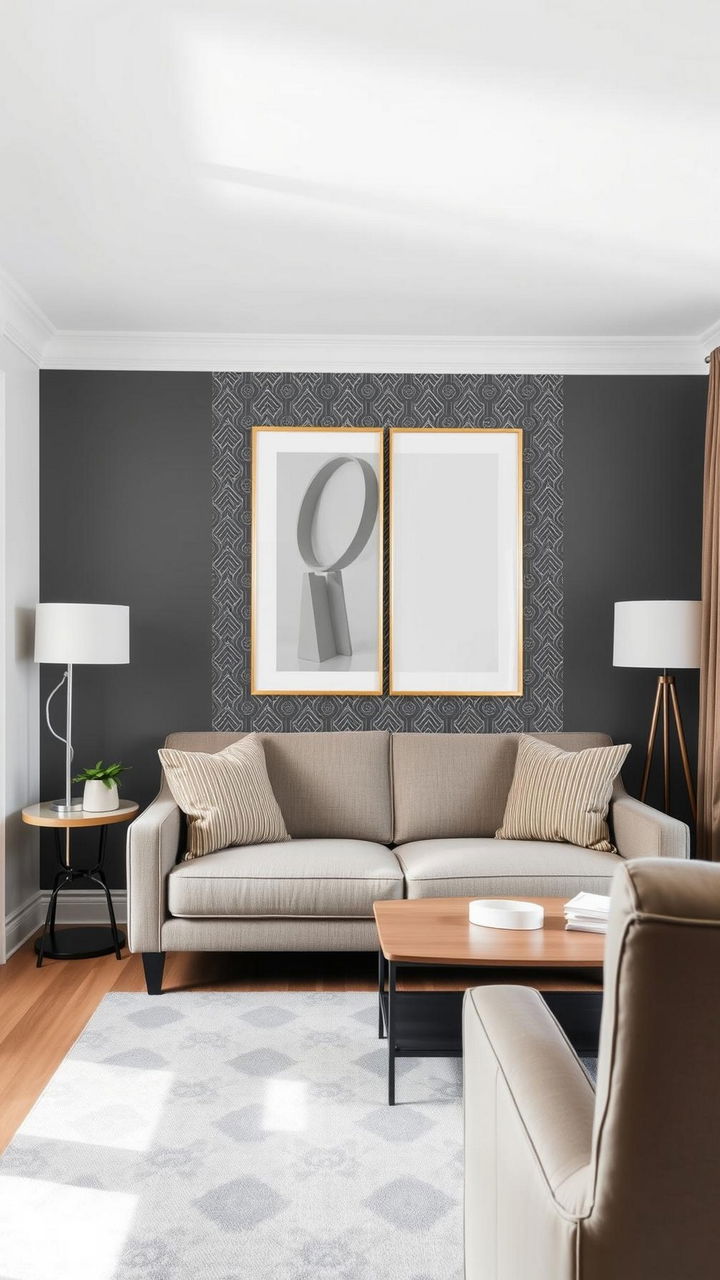
A bold, removable wallpaper can make a plain wall the center of attention, instantly improving the look of your living room or bedroom. Pick a pattern that fits your scale: small, tight motifs look cute on narrow walls, while bigger repeats look modern and airy on wider ones. Use it behind a couch, bed, or dining nook to mark off the area without taking up too much space. For renters, it’s a way to add color and personality without making a long-term commitment. Just measure carefully, order a little extra to match the patterns, and install from the top down with a smoothing tool. Add simple frames or a plug-in sconce to finish the look and bring out the texture and color.
2. Build Vertical Storage to the Ceiling and Free the Floor
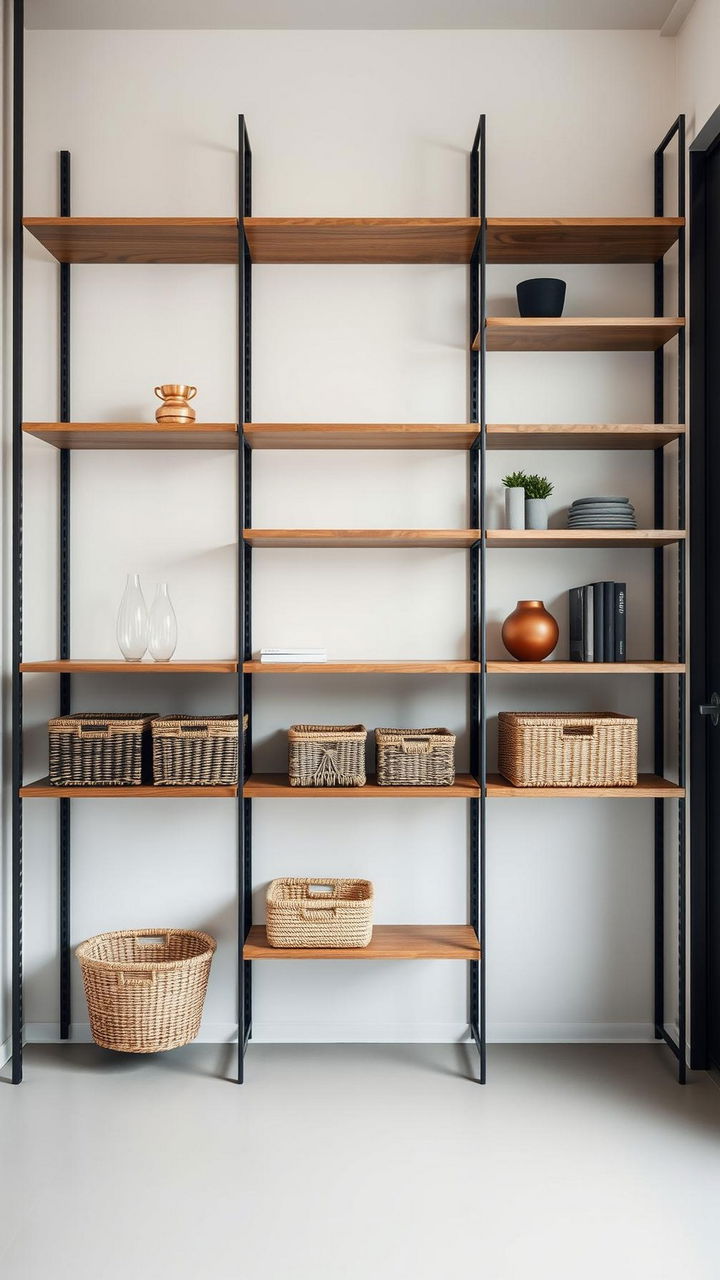
If you don’t have much floor space, the walls become your square footage. If you want to draw the eye up and make space below, use narrow bookcases, modular cubes, or track shelves that go from waist height to the ceiling. For balance, put heavier things low and lighter things high. In the living room, put a tall shelf next to a closed basket row to hide cords, remotes, and extra throws. A slim tower next to the closet in a bedroom adds storage for shoes, bags, and hats without getting in the way of walking. To make things look more polished, use the same materials more than once, like wood and matte metal. Also, leave negative space between groups to avoid a crowded, messy look.
3. Choose Multifunctional Furniture That Works Overtime
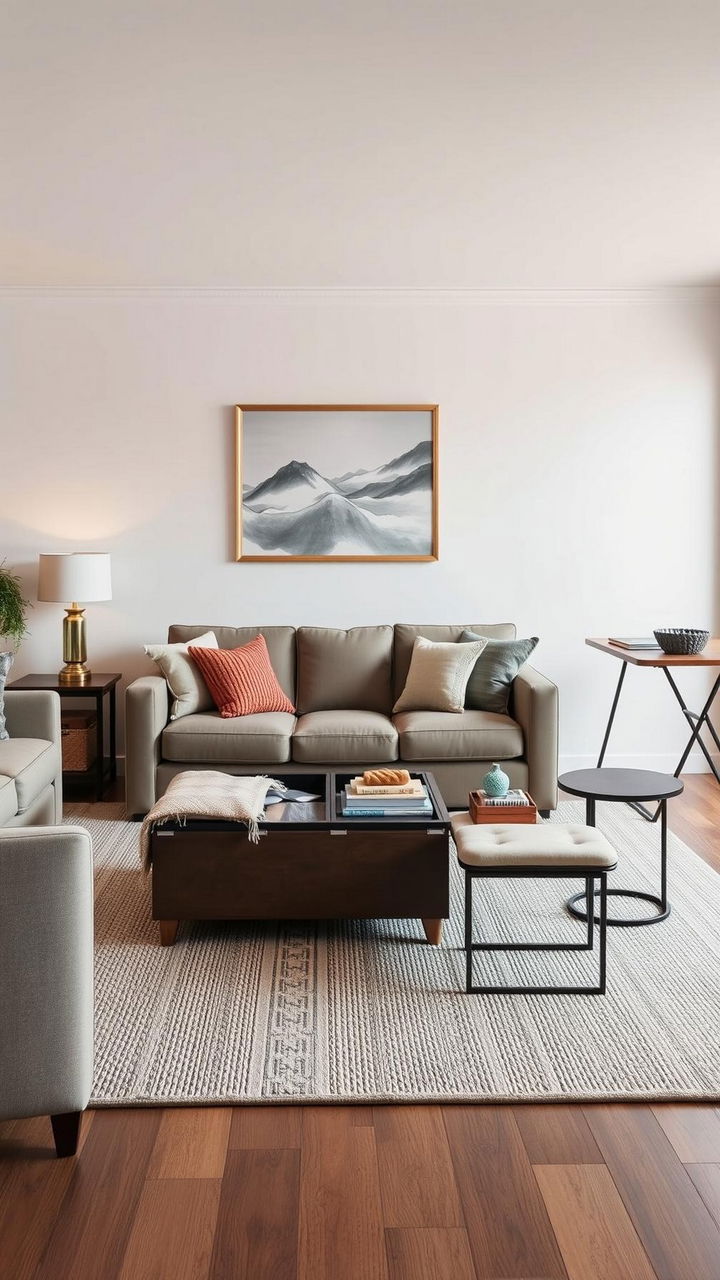
Each piece should be useful. Look for a coffee table with a lift top that hides blankets and board games, an ottoman that can be used as both a seat and a storage space, or a drop-leaf table that can be used as a desk or a dining table in a matter of seconds. In studios, a daybed with deep drawers makes it easier to store bedding and clothes that aren’t in season. In living rooms, nesting tables only give you surface area when you need it. Measure the lanes of traffic and leave at least one comfortable step between each piece so the room stays airy. Wheels are helpful. Choose carts, stools, or slim benches with casters so you can change the layout on movie nights, work sessions, or weekends without having to lift anything heavy.
4. Use Mirrors and Shine to Bounce Light and Open Sightlines
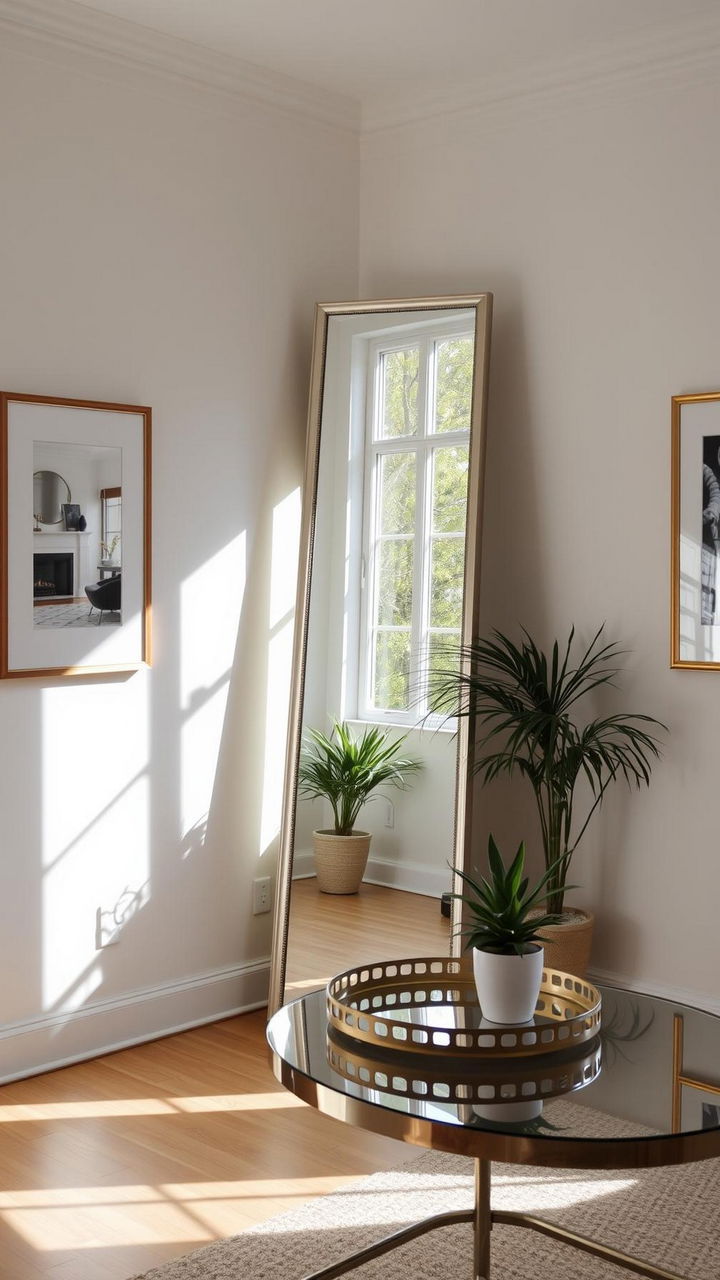
Mirrors make small rooms look bigger by bouncing light and views. To double the amount of light that comes in through a window, put a tall mirror across from it. To make a wall look bigger, put two thinner mirrors on either side of a sofa. For a cohesive look, pick clean frames that go with the hardware finishes. Add a little shine beyond mirrors. A glass coffee table, a shiny plant pot, or a metal tray can all make things brighter without making them look too big. Make sure your reflections are planned; don’t use angles that show messy shelves or TV glare. If you rent, use strips that won’t damage the walls and are the right size for the weight, or lean a big mirror against the wall with pads that grip the floor to keep everything stable and safe.
5. Layer Plug-In Lighting for Cozy, Flexible Ambience
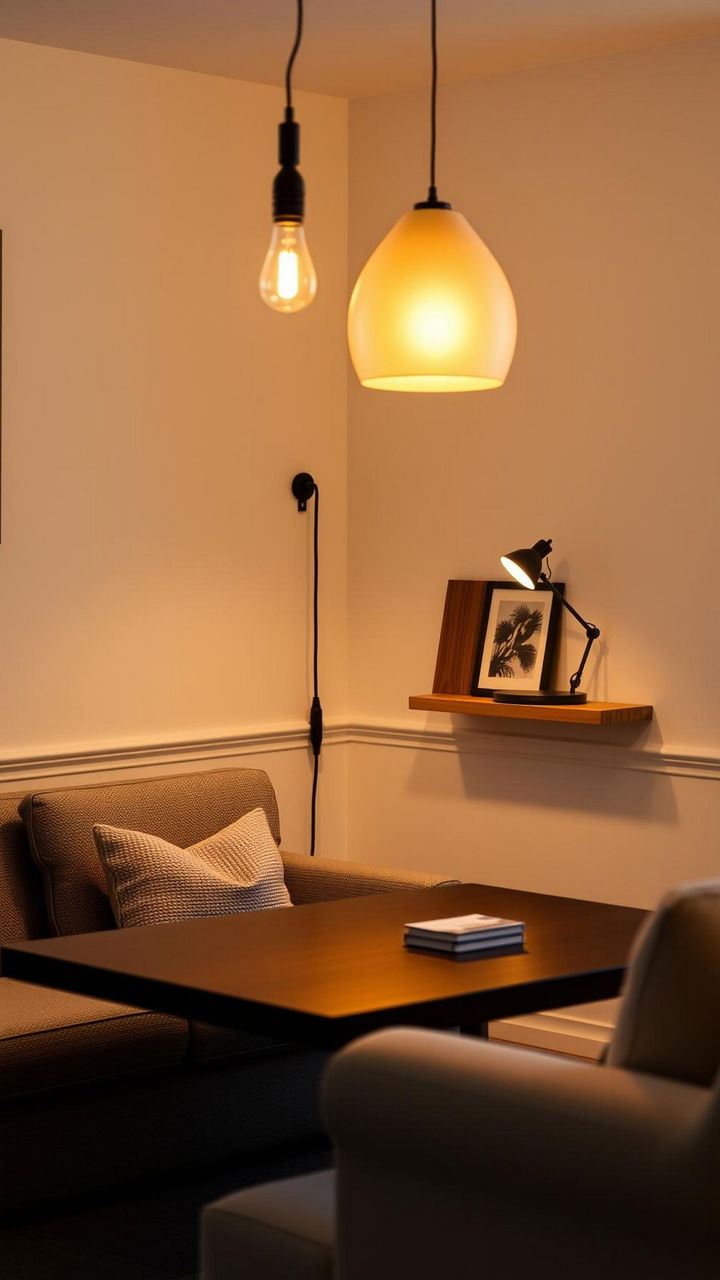
Overhead lights in rental homes can be harsh. Use layers to make your rooms softer and more interesting. For example, put a plug-in pendant light over a table, a swing-arm sconce next to the sofa, and a small task lamp on a shelf. To avoid flat lighting, change the heights. Warm bulbs (2700–3000K) make skin tones and fabrics look better. Dimmers on cords help you switch from work to relaxing. Use clear clips to keep cords neat along baseboards and behind furniture. Put a small uplight behind a plant or curtain to light up the walls and make the ceilings feel higher. Keep in mind that more than one low-watt source is better than one bright glare for depth, comfort, and mood.
6. Give the Kitchen a Renter-Friendly Refresh with Stick-On Solutions
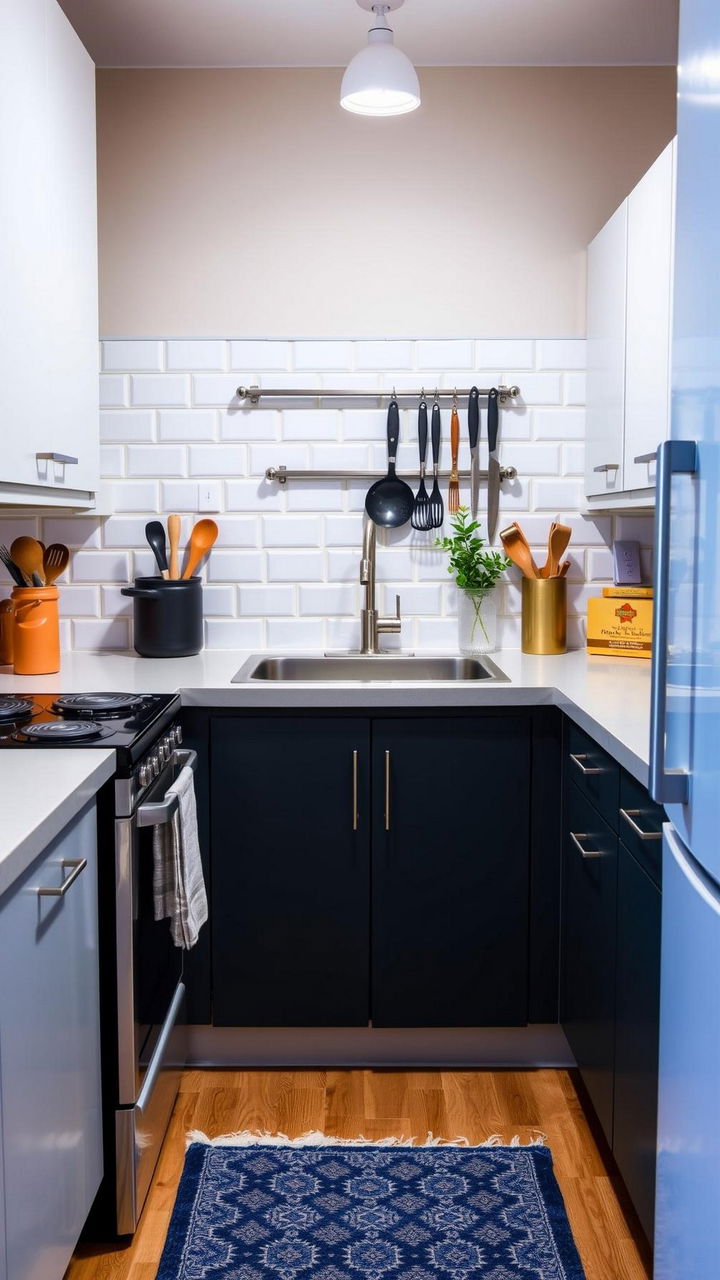
Peel-and-stick backsplashes, temporary countertop film, and removable hardware upgrades can change the look of small kitchens. For a timeless look, go with a classic subway tile sticker. For a fun pop of color, go with a terrazzo pattern. Instead of standard knobs, use modern pulls. Just keep the originals safe until you move out. A narrow rail under the cabinets keeps mugs and utensils in one place, leaving the drawers free. Magnetic strips keep knives off valuable counter space, and slim risers inside cabinets make it possible to stack plates and pantry items higher. Add a small runner to warm up the floor and a plug-in spotlight to light up the prep areas. Clean, well-matched finishes are the best way to make a small kitchen feel like it was planned.
7. Design a Smart Entryway Drop Zone in Inches, Not Feet
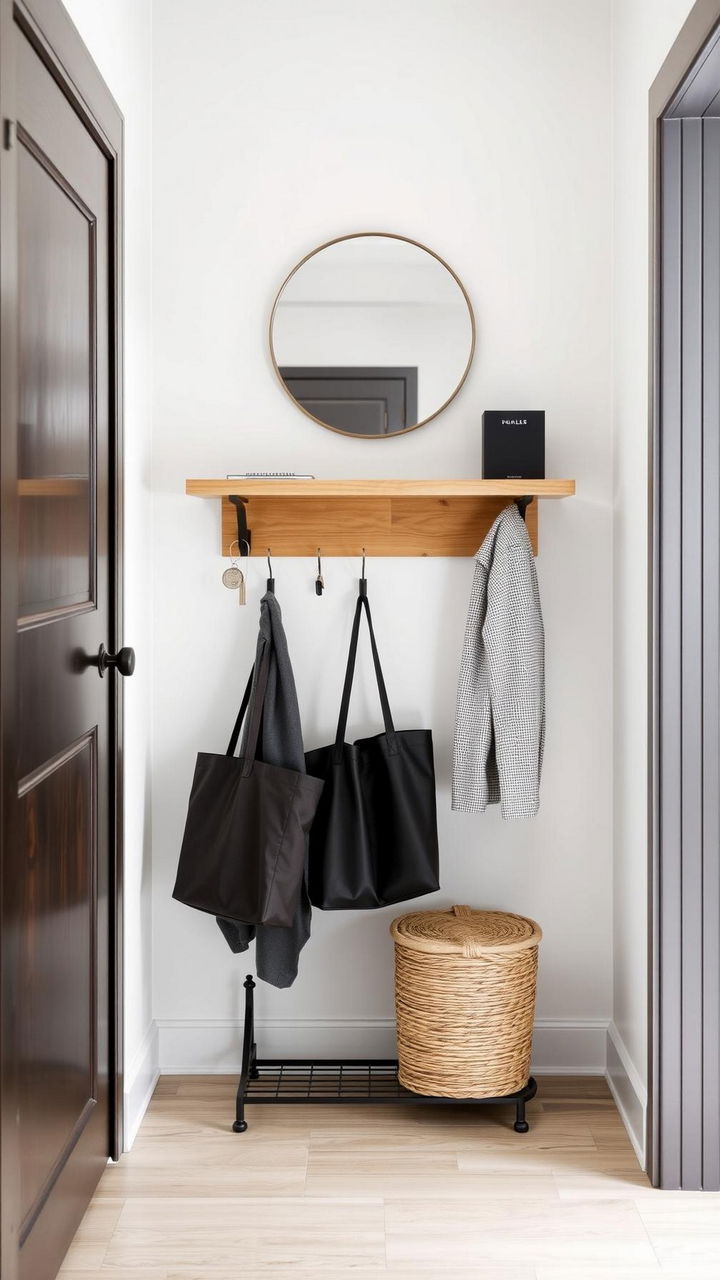
Even a small piece of wall can be a useful landing pad. Put up a floating shelf or thin ledge for your keys and mail, and then put a thin shoe rack underneath it to keep pairs from getting in the way. Put up hooks that won’t damage your coats, hats, umbrellas, and a tote bag you use every day. A little mirror above the shelf lets in light and gives you one last look before you leave. Put a lidded basket under the lowest hook for pet supplies or scarves. Use a small color scheme, like natural wood, black metal, and off-white fabrics, so the room feels calm when you first walk in.
8. Go Vertical with Plants—From Ladder Shelves to Rail Planters
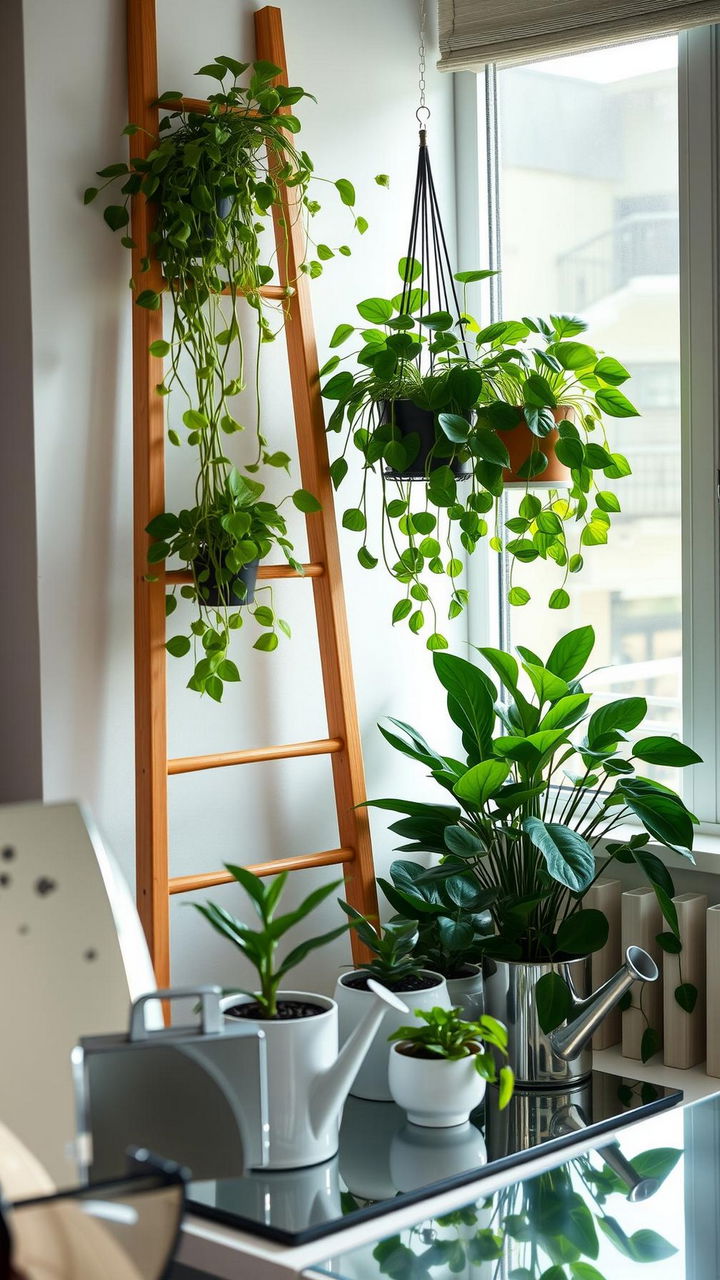
Plants make small apartments feel more alive without taking up floor space. For a clean, rhythmic look, stack plants on a narrow ladder shelf, hang a trailing pothos from a hook in the ceiling, or put matching pots on a sunny sill. Rail planters make a small garden on your balcony without taking up space for seating. Choose plants that are easy to care for, like snake plants, ZZ plants, and philodendrons. Mix heights and leaf shapes to add texture. Put lightweight plastic inserts inside ceramic planters to make them easier to water and less heavy. A small plant stand next to a mirror makes leaves and light more. To keep your plants healthy and your setup easy, stick to a simple watering schedule.
9. Zone with Rugs and Curtains to “Build Rooms” Without Walls
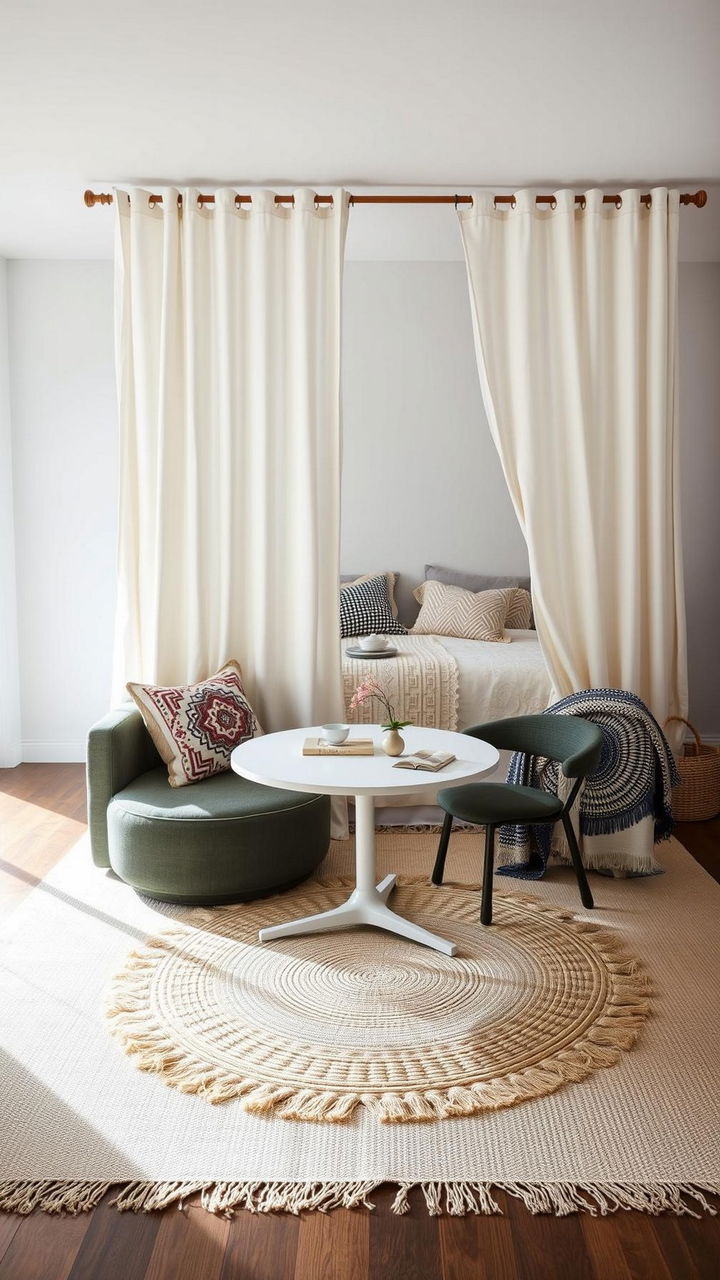
It’s best to have soft boundaries. A flat-weave rug can help you define the living area, a plush runner can help you define the sleep area, and a round rug can help you anchor a small dining area. In studios, curtains that hang from the ceiling can give you privacy without blocking out light. Choose linen-look panels that let in some light. For a more cohesive look, use the same color rug in other places, like on throw pillows or a tray. If the rug is bold, let the bedding be more subtle. If the rug is neutral, add depth with textured throws and cushions. The goal is to lead the eye so that the space looks calm, organized, and planned.
10. Build a Micro Workspace with a Fold-Down Desk or Rolling Cart
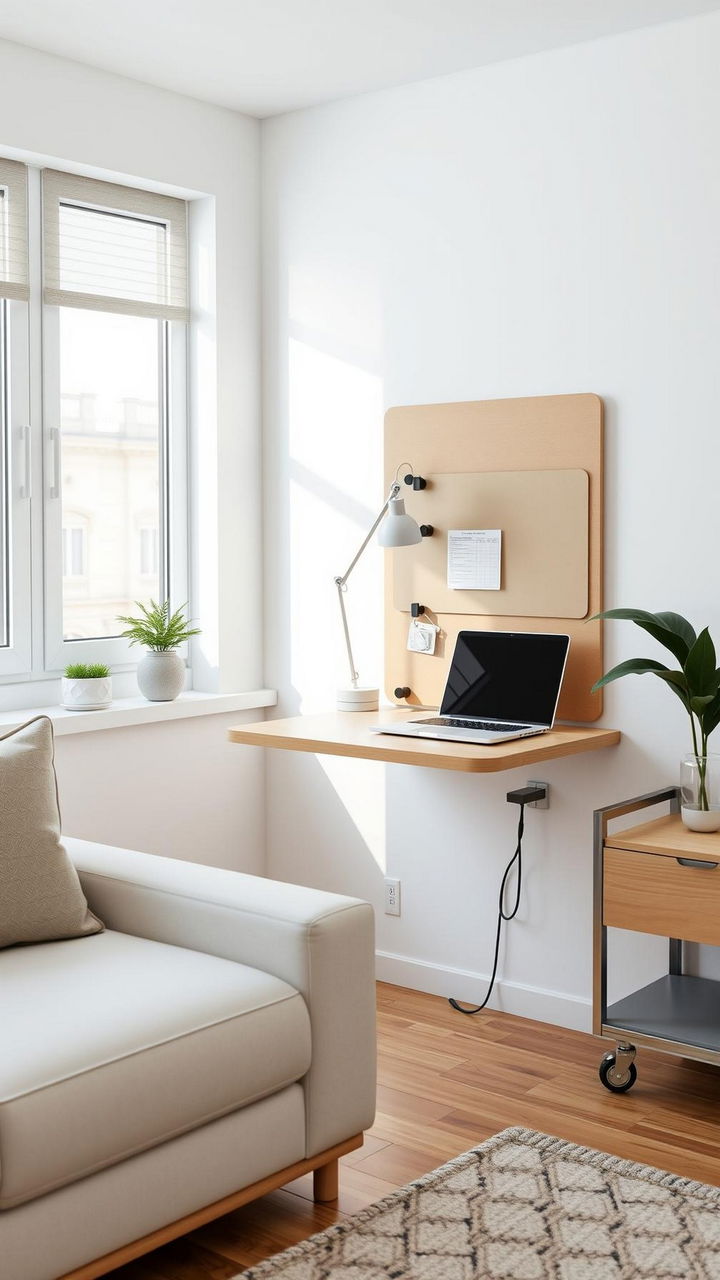
Make a useful corner that goes away when you’re not working. A desk that folds down and hangs on the wall can turn an empty space into a laptop station. When it’s not in use, it can be flipped up to make room for yoga or guests. No room on the wall? Change a rolling bar cart so that the top tier is for a laptop and lamp, the middle tier is for notebooks, and the bottom tier is for a printer or bins. Use clips to route a single power strip so that cords stay neat while you move. A slim pinboard or magnetic rail keeps to-do lists from getting in the way. When you’re ready to relax, roll the cart into a closet or corner so the living room can breathe again.
11. Curate a Lightweight Gallery Wall or Art Ledge Display
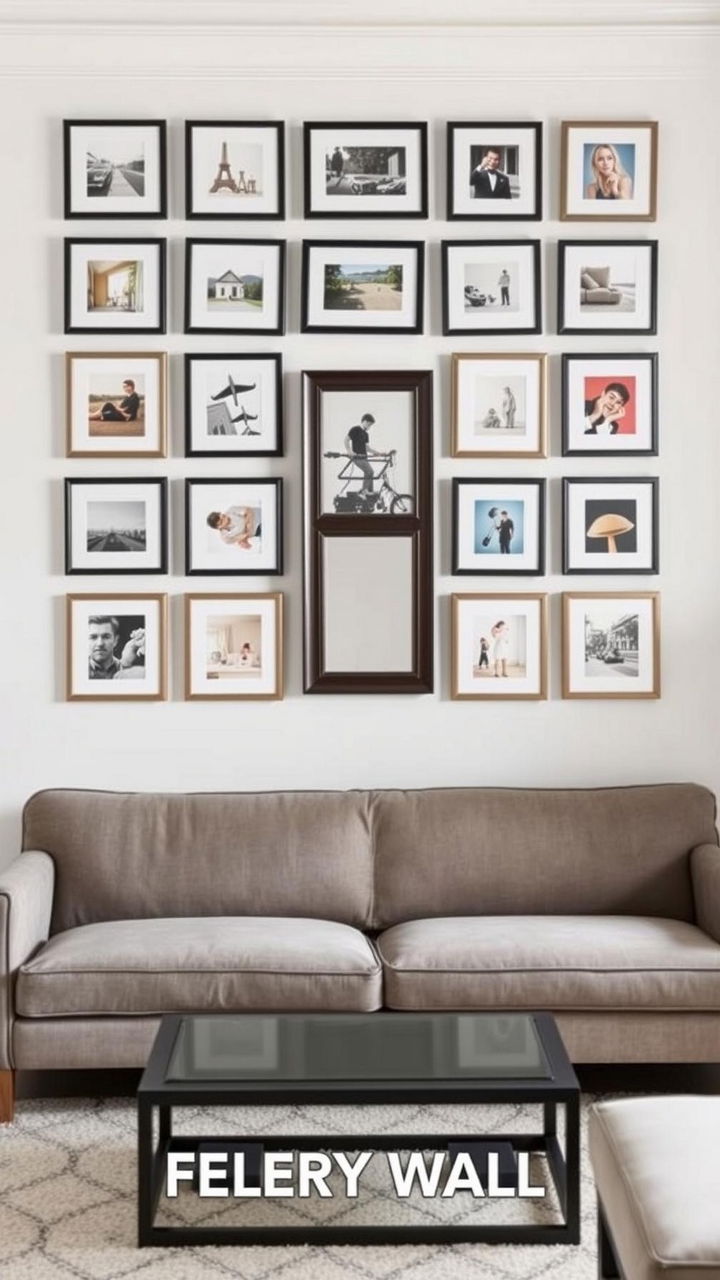
Art makes a rental feel like home right away. Use removable strips to make a grid of lightweight frames, or lean a few pieces against a narrow ledge on the wall for a simple, adjustable display. To avoid visual noise, mix sizes but make sure that at least one thing is the same, like the frame finish, mat color, or subject. To save money, print high-impact photos at smaller sizes and pair them with one larger hero piece that sets the tone. A woven plate or small mirror can add depth to the mix. Keep the space between the frames the same, about two finger widths, so the arrangement looks like one piece. Change the season to change the mood without painting or buying new furniture.
12. Max Out Under-Bed and Closet Space with Smart Add-Ons
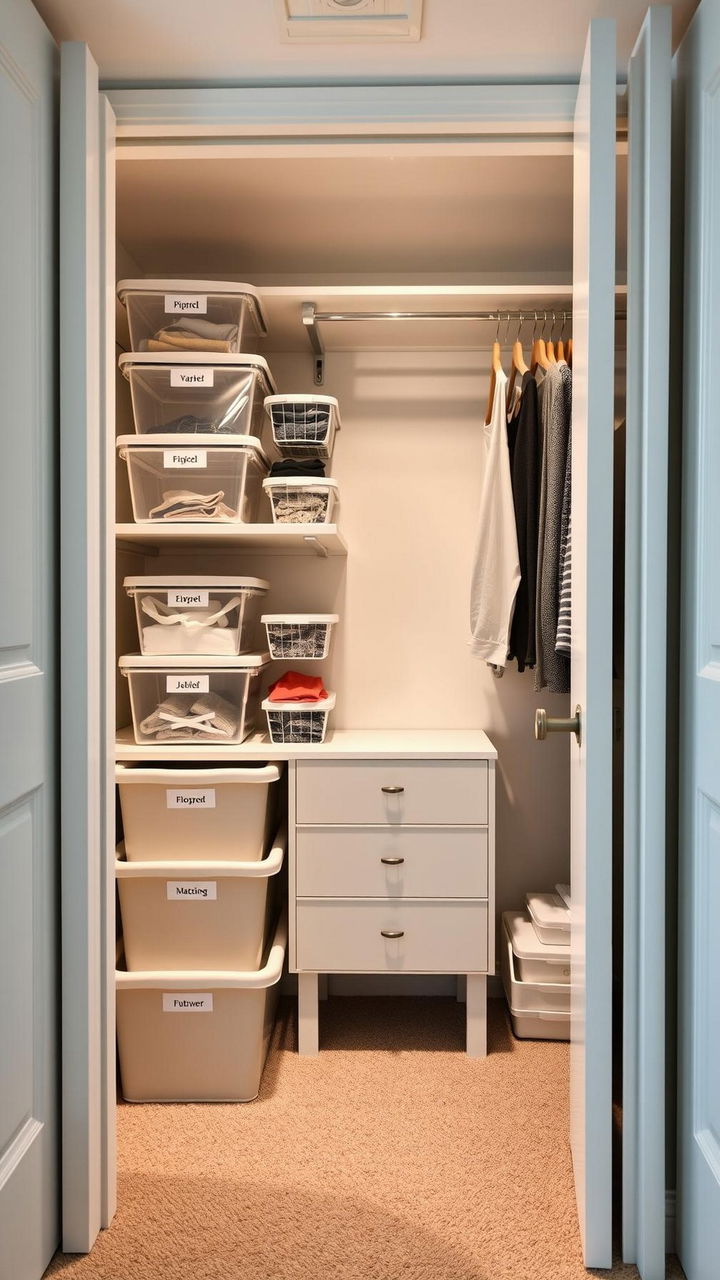
Storage that is out of sight is very valuable. Put linens and clothes that aren’t in season in low-rolling bins or zippered bags that go under the bed. Label everything so you can easily find it again. Closet risers or a second hanging rod double the vertical space for skirts and shirts. To keep stacks of things upright, use slim shelf dividers. Put small things in clear, lidded boxes so you can see what’s inside at a glance. You can use a narrow dresser in the closet instead of a big chest in the room. Finish off with matching hangers to make things look neat and tidy, which will make you want to keep things that way. The more quiet your apartment is, the bigger and calmer it feels.
Conclusion
Small apartments look great when the design is purposeful and adaptable. To clear floors and calm the eye, use vertical lines, layered lighting, and smart storage. Use renter-friendly upgrades like peel-and-stick surfaces, plug-in fixtures, and hooks that don’t damage walls to make your space your own without stress. Edit a lot, use the same materials over and over, and make each piece do more than one thing.